https://iframe.iono.fm/e/1644137?layout=modern
You can also listen to this podcast on iono.fm by following this link.
JIMMY MOYAHA: The National Energy Regulator of South Africa (Nersa) has revealed that to address the R54 billion oversight affecting South Africans, electricity tariffs will rise by 8.8% over the next two years.
Previously, we expected a 5.4% hike in 2026/2027 and a 6.2% increase in 2027/2028. We are now revising those projections to about 8.7% and 8.8% respectively.
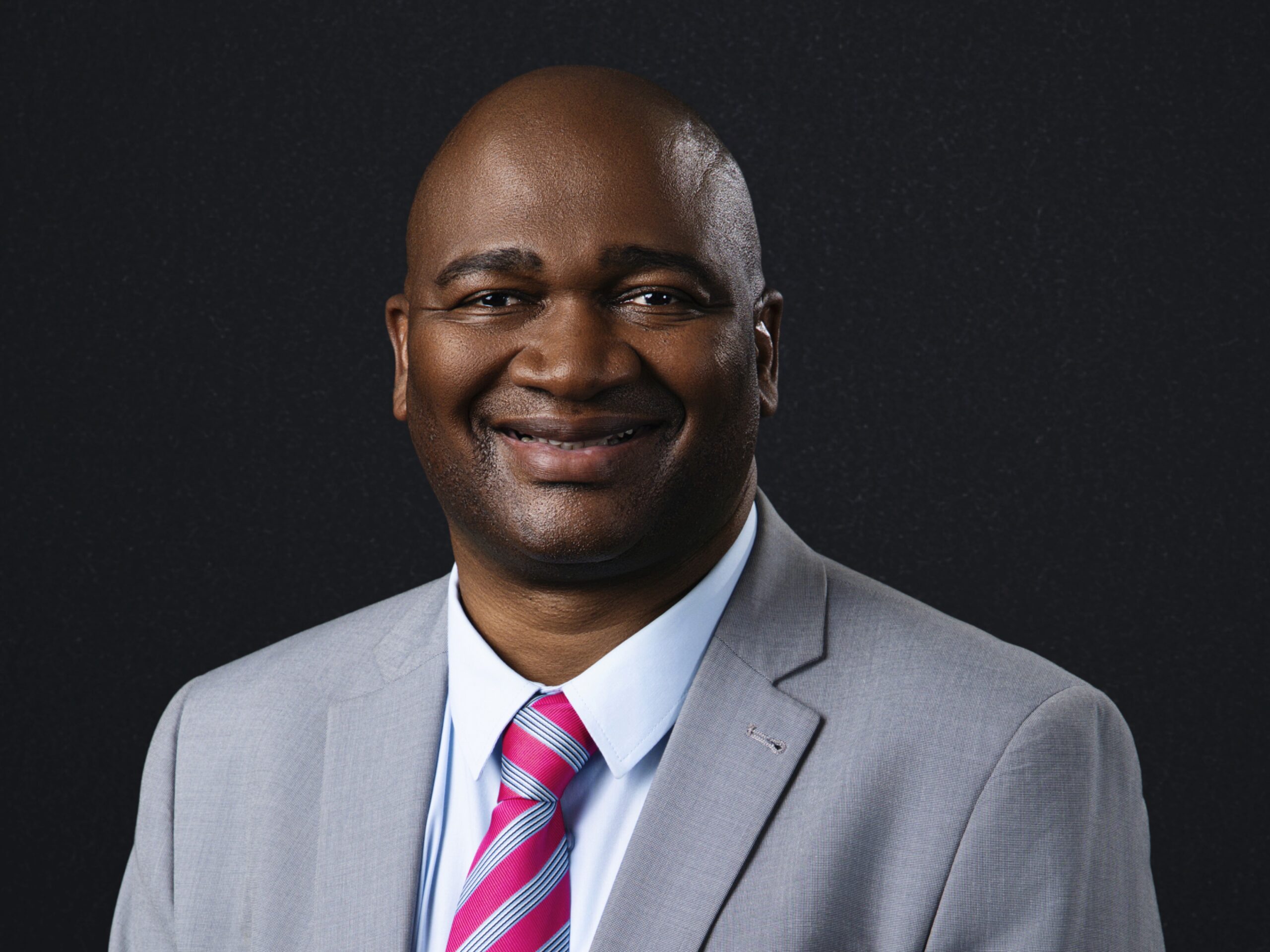
To explore this further, I’m joined by our in-house expert, independent energy analyst Tshepo Kgadima, to help us grasp the implications. It’s always a pleasure to have you on the show, Mr. Kgadima, even when discussing these tough issues impacting consumers.
Are you taken aback by this update? We previously discussed the initial miscalculation and its future effects, and it seems we finally have clarity—and it’s not promising.
TSHEPHO KGADIMA: Good evening to you and to the audience of SAfm and Moneyweb.
No surprises here, as it’s evident that Eskom has chosen a ‘shoot for the stars’ strategy, and the results reflect that.
They initially requested a R107 billion tariff increase but settled for R54 billion. Judge Swanepoel ruled that they did not engage in adequate public consultation, requiring them to correct that.
Yet, Nersa has effectively undermined this process, leaving consumers R700 million worse off than the initial so-called out-of-court settlement, as the multi-year pricing methodology lacks a scientific basis.
It relies heavily on estimations, leading Eskom—assuming they genuinely believed they needed R107 billion to sustain operations—to agree to the R54 billion increase, which has now become R54.7 billion.
ADVERTISEMENT
CONTINUE READING BELOW
What are the consequences of these decisions?
This situation showcases Nersa’s incompetence, likely inflicting significant economic damage on our nation.
Your previous guest possibly echoed this view.
Moreover, Eskom has recently accepted the minister’s proposal for concessionary pricing directed at energy-intensive industries, notably the ferrochrome and ferro-manganese smelters, reducing their tariff to 87 cents per kWh.
They aim to decrease it further to around 65 to 67 cents—a tariff currently available to aluminium smelters through ‘negotiated pricing agreements’ for just one year.
Furthermore, I’ve consistently argued that the average cost of electricity generation from baseload sources is about 32 cents, aligning with current exchange rates.
Therefore, it is plausible for Eskom to implement a standardized tariff, and the 87 cents appears to be the figure they have agreed upon.
This rate would keep energy-intensive users operational while ensuring compliance with the constitutional mandate that a state-owned entity like Eskom does not breach provisions aimed at ensuring non-discriminatory electricity access, particularly sections 217 and 54 of the Public Finance Management Act.
They must ensure electricity access at the lowest feasible cost, which can be realized through the uniform tariff of 87 cents already extended to corporate clients. This strategy is crucial for the competitiveness and growth of our economy, ultimately facilitating job creation.
JIMMY MOYAHA: Before concluding, let’s discuss the issue of customer affordability. We’ve touched on the fact that merely increasing tariffs isn’t a sustainable long-term solution.
Given Eskom’s declining demand alongside rising tariffs, at what point does financial viability turn into a pressing concern?
Simply increasing prices won’t necessarily result in higher earnings if the consumer base continues to diminish.
ADVERTISEMENT:
CONTINUE READING BELOW
TSHEPHO KGADIMA: The auditors at Eskom have raised serious concerns about its viability and future sustainability.
I agree with the auditors; data indicates a notable increase in customer defaults, especially among municipal clients.
Simultaneously, we’re observing the shutdown of energy-intensive industries, with no new energy-heavy sectors emerging, such as AI and cryptocurrency mining, which rely on data centers and escalate energy demand.
Suffice it to say, Eskom claims to have 13,000 MW in cold reserve—equivalent to the capacity of nearly three Medupi or Kusile power stations.
This situation is largely attributed to escalating costs—energy-intensive users have seen costs soar by eight times since 2008, with electricity now constituting 40% of their operational expenses.
As a result, we are witnessing unprecedented exits from the grid among both commercial and residential electricity users, along with defaults from municipal customers.
In this context, there’s no feasible way for Eskom to maintain its current operational status.
What surprises me is how the Eskom board and management persist in implementing policies that jeopardize the organization, such as the unnecessary 14,000 km transmission grid expansion, which is projected to cost R440 billion, with potential cost overruns that could double this figure.
It’s concerning that they continue to procure energy unnecessarily while burning diesel—despite having 13,000 MW in cold reserve.
They recently asserted they spent R4.1 billion less than the previous year during this period; yet I maintain they should not have burned even a single litre of diesel for electricity generation.
ADVERTISEMENT:
CONTINUE READING BELOW
Moreover, the ongoing dependence on intermittent energy sources is unnecessary.
Additionally, the inefficiencies have led to over R105 billion in unproductive expenditures. This issue is alarmingly noted by the cabinet and president, seemingly indifferent to the serious repercussions for the economy and ordinary citizens.
Many individuals are struggling to stay warm in winter or cool in summer due to prohibitively high electricity prices. Therefore, Eskom continues to infringe upon various rights enshrined in our Constitution.
This crisis demands immediate attention.
We can only hope for raised awareness in this regard. Neither civil society nor organized businesses are pursuing judicial relief, but if they were to challenge the courts for a standardized tariff of 87 cents—given that Eskom has affirmed its ability to supply all South Africans at this rate—there would be no valid justification against it.
Civil society and the organized business community must take action because our politicians have failed us, Nersa has let us down, and those running Eskom are equally culpable—much to the detriment of our economy.
JIMMY MOYAHA: To the detriment of consumers as well.
We will certainly keep a close eye on this situation as we await any announcements from the president during the upcoming State of the Nation Address scheduled for later this week.
We conclude our discussion here. Thank you to independent energy analyst Tshepo Kgadima for his insights regarding Nersa’s confirmation of the increased tariffs.
Follow Moneyweb’s extensive finance and business coverage on WhatsApp here.